


Lucky Drama - Shorts & Rewards
4.81.85K Reviews
App Specs
- Version
- 1.2.6
- Updated On
- License
- Free
- Downloads
- 1,000,000+
- Developer
- Digitnesia
- Categories
- Entertainment
- Platform
- Android
Screenshots
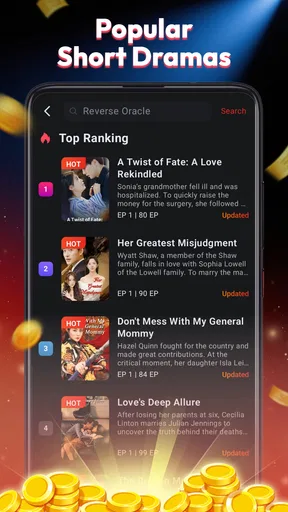
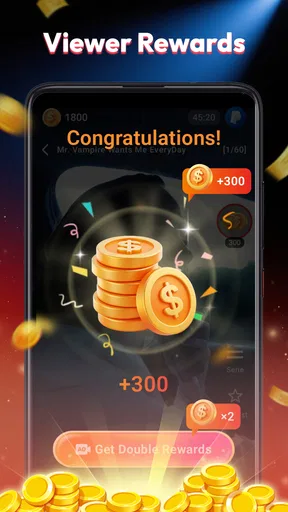
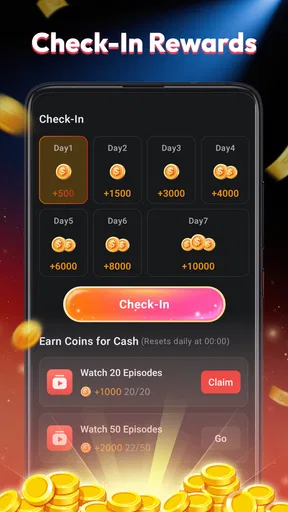
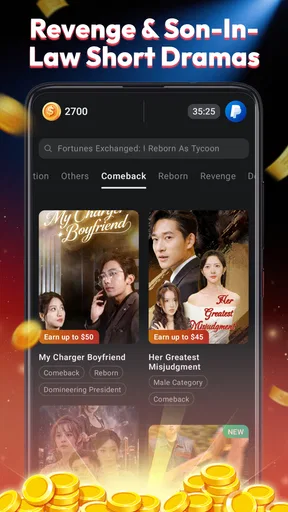
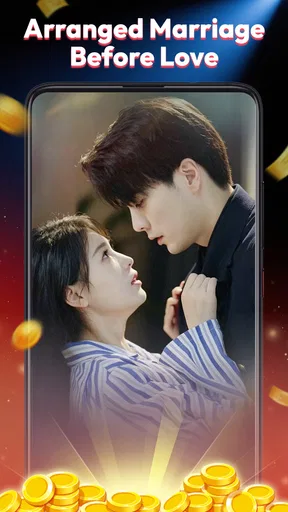

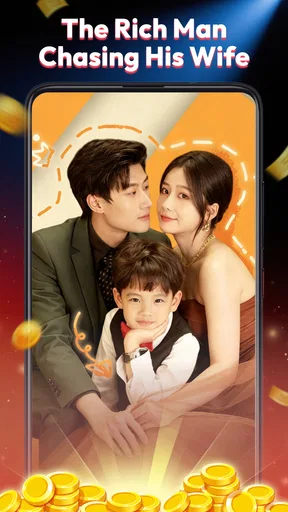
 Analysis by AppCompare
I tried Lucky Drama - Shorts & Rewards as a lightweight entertainment app built around short dramas and viewing rewards. My first impression was simple: it is aimed at people who want quick, episodic stories rather than a long film or a full television series. The format makes sense for small breaks, especially when I have only a few minutes and want something more engaging than endlessly scrolling through unrelated clips.
The app comes from Digitnesia and is available free of charge for Everyone. It belongs to the entertainment category, but its appeal is more specific than that broad label suggests. The central routine is to open a short drama, watch, and return when I have another spare moment. The reward angle gives the viewing habit an extra reason to continue, although I would treat the rewards as a secondary benefit rather than the main reason to install it.
How the everyday viewing routine feels
The most practical way to use Lucky Drama is to approach it as a collection of small viewing sessions. Instead of planning an evening around it, I would open it while waiting for an appointment, during a short commute, or when I want a quick pause between tasks. Short dramas suit that pattern because the commitment is easier to manage than a conventional episode that expects a larger uninterrupted block of time.
I found that the experience works best when I decide in advance how much time I want to spend. A quick session can become longer than expected once a story reaches a cliffhanger, so setting a personal stopping point is useful. This is especially important if the reward system encourages repeated viewing. The app can make a spare moment feel productive, but it should not turn every idle pause into an automatic scrolling session.
The basic workflow is uncomplicated: browse the available short dramas, choose something that matches my mood, watch, and keep an eye on the reward progress associated with viewing. That simplicity is a strength for casual users. I do not need to learn a complicated media library before getting started, and the short format lowers the risk of choosing something that demands more time than I have.
At the same time, I would not confuse a viewing reward with a guaranteed income opportunity. The app is entertainment first in my eyes. Anyone installing it mainly to earn should read the reward conditions carefully inside the app and decide whether the viewing itself is enjoyable enough to justify the effort. If the story is not holding my attention, the reward element alone is not a good reason to keep watching.
What makes short dramas useful in real life
A realistic example is a lunch break with only a few minutes left after eating. With a traditional streaming service, I might spend much of that time browsing, then stop just as the program becomes interesting. Lucky Drama is better suited to that situation because its short-drama focus encourages a smaller commitment. I can watch a compact part of a story, close the app, and return later without having planned a full viewing session.
Worth Reading Before You Choose

EA SPORTS FC Mobile 26 Is a Bigger Football Game, but It Takes Time

Flipboard Shows What News Apps Must Do Beyond the Feed

Switching to Android Auto Means Rethinking Your Driving Routine

Google Calendar Makes a Crowded Week Easier to Manage

Ludo King Makes the Most of the Minutes Between Plans

Baby Panda World Brings Quick Play to Modern Phones, but Its Game Library Feels Busy
It is also a reasonable option for viewers who enjoy serialized storytelling but find long episodes tiring. Short dramas often move quickly, so the app may appeal to someone who prefers frequent developments over slow setup. My advice is to use it when you want a focused burst of fiction, not when you are looking for the production scale, deep catalog organization, or uninterrupted viewing experience associated with major streaming platforms.
The reward structure can add a small sense of progression to an otherwise ordinary viewing habit. That is a clever fit for people who like checking progress and completing small routines. However, the same design may be distracting for viewers who want to forget about incentives and become fully absorbed in a story. For those users, a conventional streaming app may feel calmer and more direct.
Settings and habits worth checking first
Before settling into regular use, I would spend a moment reviewing the app’s available settings and the way viewing progress is presented. The useful question is not how many options appear, but which choices affect comfort and routine. I would check whether playback behavior, notifications, account details, and reward-related information are easy to understand, then adjust anything that could interrupt the way I normally watch.
Notifications deserve particular attention. If the app offers alerts, I would keep only the ones that genuinely help me return to a drama I am following or understand an important reward event. Too many reminders can change a pleasant short-session app into a source of noise. A good personal rule is to let the app support my schedule rather than dictate it.
I would also make sure I understand the difference between watching content and completing any separate reward action. The safest workflow is to read the wording attached to each reward before assuming that simply opening a drama is enough. This avoids a common frustration: spending time watching while expecting progress that may require a particular step or a completed viewing condition.
Another useful habit is to keep expectations realistic around continuity. Short dramas are easy to sample, but moving between several stories can make it difficult to remember characters and plot details. I prefer choosing one series that is holding my attention and returning to it consistently before starting several others. That approach makes the reward routine easier to follow and the stories easier to enjoy.
Faster patterns for regular viewers
Experienced use is less about hidden tricks and more about reducing unnecessary decisions. I would create a repeatable sequence: open the app at a predictable time, continue the drama already in progress, watch for a defined period, and check the reward status before leaving. This is faster than browsing randomly every time, and it keeps the entertainment side from becoming an endless search through the catalog.
When I have only a brief break, I would avoid starting a new story unless I am comfortable stopping after its opening section. Beginning a fresh drama can create a stronger urge to continue, while returning to an existing one gives me a clearer sense of where I am. This small distinction helps me match the app to the time available instead of letting the app decide how long the session becomes.
For a longer break, I would use the opportunity to explore more deliberately. I might sample one or two dramas, compare their tone, and then choose the one that seems easiest to follow in short bursts. The important trade-off is between discovery and consistency: browsing exposes me to more content, while sticking with one story makes the experience more coherent and usually makes my viewing habit easier to maintain.
I would not repeatedly open and close the app just to chase progress without watching attentively. That creates friction and can make the experience feel like a task. A better pattern is to combine entertainment and rewards naturally: watch when I genuinely want a short drama, then treat any earned reward as a bonus. This keeps the routine sustainable and avoids turning a free entertainment app into unpaid busywork.
It is also worth keeping the app’s role clear when comparing it with alternatives. A large streaming service is usually better for films, premium series, detailed recommendations, and long uninterrupted sessions. Social video platforms are often better for rapid variety and creator-driven clips. Lucky Drama occupies a narrower space: short fictional dramas paired with a viewing-reward routine. That focus is its reason to exist, but it also means it may feel limited if I want many different kinds of video.
Where the reward idea helps, and where it does not
The reward element gives me a reason to return, particularly when I enjoy small goals. It can make a series of short sessions feel connected rather than random. For users who already like watching serialized clips, that extra layer may make the habit more satisfying. The free price also lowers the barrier to testing the format without committing to a subscription.
Still, rewards can affect how I judge the content. I may be tempted to continue watching a drama that I would otherwise abandon, simply because I am close to a viewing milestone. That is not necessarily bad, but it is worth noticing. I get the best experience when I ask myself whether I am enjoying the story, then decide whether the reward is a pleasant addition rather than the deciding factor.
I would also avoid making assumptions about the practical value of any reward before reading the relevant in-app explanation. Reward programs can have steps, limits, or conditions, and the responsible approach is to understand those details directly. The app’s short store summary makes the concept easy to grasp, but the real usefulness depends on how clearly the reward flow is explained during actual use.
Device fit, access, and everyday friction
The current version is 1.2.2, and the app supports Android 8.0 or later. That makes compatibility an important first check for anyone using an older phone. On a supported device, I would still pay attention to the practical viewing experience: whether the screen is comfortable for reading subtitles or dialogue, whether the connection is stable, and whether the phone has enough battery for repeated video sessions.
Because the app is centered on watching dramas, network quality matters more here than it would for a simple reading app. A weak connection can interrupt the rhythm of a short story and make a brief break feel frustrating. If I know I will be in an unreliable coverage area, I would not plan an important viewing session around it. The app is most enjoyable when playback does not compete with the story.
Screen size also changes the experience. A compact phone is convenient for quick use, but a larger display can make dialogue and visual details easier to follow. I would hold the phone in the position that keeps the drama comfortable without forcing me to constantly adjust it. That sounds obvious, yet small ergonomic annoyances become noticeable when the app is used repeatedly throughout the day.
The Everyone content rating makes the app approachable for a broad audience, but I would still use normal family judgment. A general age label is not a substitute for checking whether a particular drama suits the person watching it. Parents choosing entertainment for younger users should remain involved in the usual way, especially when the child is encouraged to spend repeated sessions inside an app.
Limits that matter before making it a daily app
The biggest limitation is focus. Lucky Drama is not trying to replace every kind of entertainment app, and I would not expect it to. If I want a broad selection of documentaries, live content, major films, or carefully curated long-form series, another service is likely a better fit. This app makes more sense when short fictional episodes and a reward-oriented routine are exactly what I want.
A second limitation is the possibility of habit fatigue. Watching short dramas repeatedly can feel convenient at first, but the format may become repetitive for viewers who prefer variety in length and style. I would use it alongside other forms of entertainment rather than making it the only video app on my phone. That keeps the short-session format enjoyable instead of turning it into a compulsory daily loop.
The reward system can also create the wrong incentive for some people. Users who are highly sensitive to streaks, progress bars, or completion targets may find themselves watching longer than intended. My practical safeguard is simple: decide the session length before opening the app, and stop when that time is over even if another reward is nearby. The app should fit into my routine, not quietly take it over.
There is also a difference between popularity and personal fit. Lucky Drama has an average rating of 4.8 from around 7.2 thousand ratings, with more than 400 written reviews and over 100 thousand installs. Those figures suggest that many users respond positively to the concept, but they do not tell me whether its story selection, pacing, or reward flow matches my taste. I would use the free access as a chance to judge it personally rather than relying only on its reception.
Who should try it, and who should skip it
I would recommend trying it to someone who enjoys short serialized fiction, likes returning to a simple viewing routine, and appreciates a reward layer without needing the app to function as a full streaming replacement. It is particularly suitable for people who regularly have small gaps in the day and want an activity that can begin quickly without demanding a full evening.
I would be more cautious about recommending it to someone who dislikes incentives attached to entertainment. If the idea of tracking viewing progress feels distracting, a standard video service may provide a more relaxed experience. I would also point long-form fans toward a broader streaming option if their priority is cinematic storytelling, extensive categories, or uninterrupted episodes.
For families, the Everyone rating is reassuring as a general starting point, but I would still preview content and supervise younger viewers according to my own standards. For older phones, the Android requirement should be checked before spending time setting up a viewing routine. These are small considerations, yet they determine whether the app feels convenient or immediately frustrating.
My verdict after using the full routine
Lucky Drama - Shorts & Rewards is at its best when I treat it as a focused companion for short breaks. The app combines quick fictional viewing with a reason to return, and that combination can make ordinary waiting time more enjoyable. Its free availability makes experimentation easy, while the narrow concept keeps the experience more purposeful than a general video feed.
My main advice is to build a measured habit: choose one drama, check how the reward flow works, limit notifications to useful reminders, and decide how long each session should last. Those steps do more for the experience than chasing every possible reward. They help me keep the entertainment enjoyable and make it easier to notice whether the app is genuinely worth returning to.
Digitnesia has created something that will not suit everyone, and I see that as a useful distinction rather than a flaw. This is not my first choice for premium long-form viewing or unlimited video variety. But when I want a compact drama, a repeatable routine, and a free way to add a little structure to spare moments, Lucky Drama - Shorts & Rewards is an easy app to test. I would recommend it to the right viewer, with one clear condition: let the stories lead, and let the rewards remain optional motivation.
Pros
- Large library of short dramas for quick entertainment
- Reward system adds extra motivation to keep watching
- Simple interface makes discovering new series easy
- Episodes are convenient for short breaks or commuting
- Regular content updates can keep the catalog feeling fresh
Cons
- Rewards may require substantial viewing or repeated daily activity
- Some content and features may be limited by region
- Frequent ads can interrupt the viewing experience
- In-app rewards may not always have clear cash-out conditions
- Streaming can consume mobile data when used without Wi-Fi
FAQs for Lucky Drama - Shorts & Rewards
What is Lucky Drama - Shorts & Rewards?
Lucky Drama - Shorts & Rewards is an entertainment app focused on short-form drama videos and bite-sized episodes. After installing it, users can browse a selection of quick stories, watch serialized content, and use the app’s reward features. Availability of videos, coins, bonuses, and other functions may vary depending on your country, account status, and the current version of the application.
Is Lucky Drama - Shorts & Rewards free to download and use?
The app can generally be downloaded without an upfront purchase, but free access does not necessarily mean that every episode or feature is completely free. Some content may require coins, rewarded advertisements, in-app purchases, or other limitations. Before spending money, check the pricing information shown inside the app and review whether subscriptions or recurring payments are offered in your region.
How do the rewards work in Lucky Drama - Shorts & Rewards?
The reward system may provide coins, points, or similar benefits for activities such as watching videos, completing tasks, checking in, or viewing advertisements. Rewards are normally subject to eligibility rules, limits, and verification. They should not be considered guaranteed cash income. Read the redemption conditions carefully, including minimum balances, expiration dates, supported payment methods, and any restrictions that apply to your location.
Does Lucky Drama - Shorts & Rewards require an account or personal information?
Some features may work without registration, while others can require an account to save progress, synchronize rewards, or access personalized content. Depending on the sign-in method, the app may request information such as an email address, phone number, or details from a third-party login provider. Review the app’s privacy policy and permissions before registering, especially if you are concerned about advertising or data collection.
Is Lucky Drama - Shorts & Rewards safe for children and suitable for all devices?
The app’s short dramas may include themes, language, romance, conflict, or advertising that are not appropriate for every age group. Parents should check the store rating, content descriptions, and available parental controls before allowing children to use it. Also confirm that your Android or iOS version is supported, keep the app updated, and download it only from an official app store to reduce security risks.


